



In an unexpected twist that has caught the attention of both participants and fans alike, the Wrangler National Finals Rodeo (NFR) in Las Vegas finds itself grappling with a formidable opponent that’s not the usual weather woes or logistical hurdles. This year, the spotlight shines on a more insidious challenge: an outbreak of equine herpesvirus type-1 (EHV-1), a development that has swiftly prompted a reevaluation of event protocols and schedules.
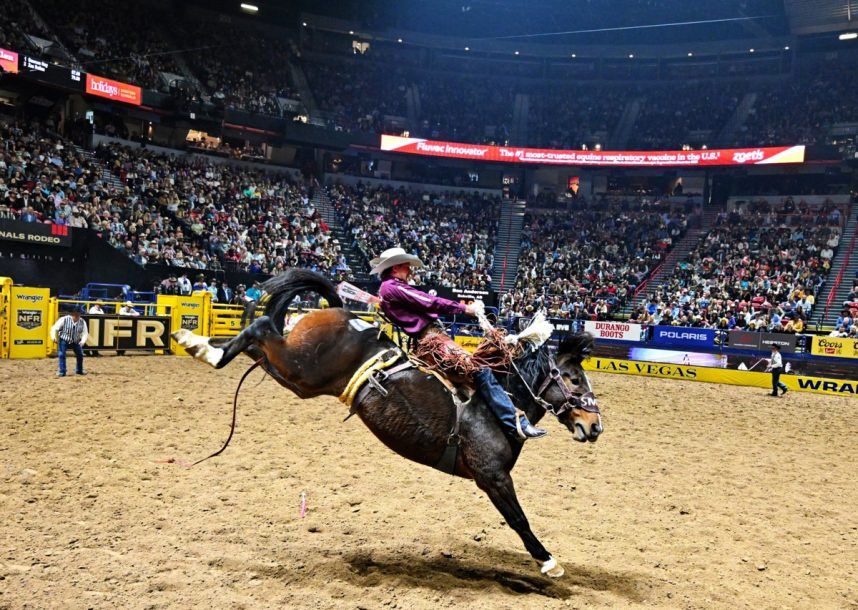
Despite the looming shadow of EHV-1, the main rodeo event is still on track to take place from December 4 to 13 at the Thomas & Mack Center. However, the virus’s presence has already led to the cancellation or postponement of several preliminary and companion events, igniting a surge in veterinary oversight and biosecurity measures.
Event Adjustments in Response to the Outbreak
- National Finals Breakaway Roping: Postponed and relocated to Cowtown Coliseum in Fort Worth, TX, on Dec. 22–23, in a move designed to curb the virus’s spread.
- Benny Binion Bucking Horse & Bull Sale: Conducted at the South Point Arena, Las Vegas, without live animals, showcasing a proactive approach to risk mitigation.
- PRCA Permit Challenge: Postponed, underscoring the commitment to participant safety.
- Main NFR Event: Proceeding as scheduled, with enhanced biosecurity protocols including health certificates, daily temperature checks, and restricted equine movement.
Comprehensive Strategies to Combat the Virus
In a decisive effort to contain the outbreak, organizers have implemented a set of stringent measures. Horses must arrive with a current certificate of veterinary inspection and a unique Nevada Department of Agriculture entry permit. Once on-site, they are subjected to daily health monitoring and are confined to the premises to prevent any potential spread of the virus.
The origins of the outbreak trace back to the Women’s Professional Rodeo World Finals in Waco, Texas, highlighting how quickly EHV-1 can affect a wide geographic area, including multiple states and Canada. As of December 1, the Equine Disease Communication Center reported 60 cases linked to this outbreak, underscoring the virus’s highly contagious nature through respiratory droplets, contaminated equipment, and direct contact.
The Impact on Las Vegas: Beyond the Arena
The implications of a positive EHV-1 case among competing horses could be dire, potentially leading to an immediate cessation of the NFR. This event is a cornerstone for Las Vegas, attracting between 170,000 to 180,000 attendees over its 10-day span, along with the Cowboy Christmas trade show, which draws an additional 200,000+ visitors. Together, these events contribute between $100-$150 million in direct spending to the local economy. For those interested in the broader economic and cultural impact of such events in Las Vegas, exploring the latest developments in the Vegas dining scene can provide additional context.
As the 2025 NFR unfolds, it will be remembered not just for the athletic achievements within the arena but for the extraordinary lengths taken to ensure the safety of participants and the community. The measures in place reflect a deep commitment to navigating the challenges posed by the EHV-1 outbreak, setting a precedent for future events in the face of unforeseen health crises.
“The NFR’s response to the EHV-1 outbreak is a testament to the resilience and adaptability of the rodeo community. By prioritizing health and safety, organizers are safeguarding not only the participants but also the economic and cultural vitality of Las Vegas.” – Industry Analyst
This year’s NFR is a clear example of how, even in the face of adversity, the spirit of the rodeo and the broader community can come together to overcome challenges, ensuring the show goes on. For those looking to understand more about the security measures in place at major venues in Las Vegas, reading about Resorts World Las Vegas’s partnership with a cybersecurity firm may offer valuable insights.






Leave a Reply